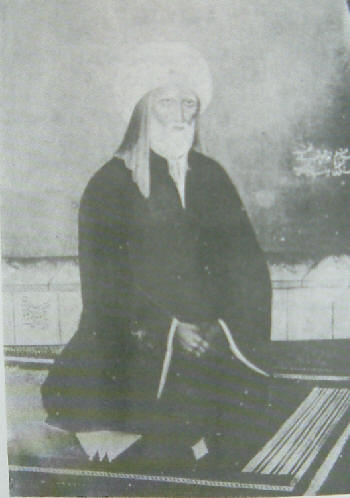
The Khuṭba
al-Jidda (The Sermon at Jeddah) of the Bāb
Translation Stephen
Lambden (Ohio University), 2005 revised December 2007 from the Ms. in the
hand of Mullā Ḥusayn Bushrū'ī eventually privately published in INBMC vol. 91: 60-73.
Last updated
14/10/09
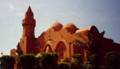
Old Jeddah
.
The Arabic
text
As yet there is no assured critical edition of the Khuṭba al-Jiddah (= Kh-J).
Original mss. are uncommon and difficult to obtain. Three such mss. texts of
the Kh-J are currently known to exist: (1) INBA mss. 5006C pp. 332-3; (2)
INBA mss. 3036C pp. 494-6 and (3) the mss. behind INBMC 91 pp. 60-73. The
Arabic text of the Kh-J typed out and translated below is based on the
latter largely legible Arabic mss. currently in private hands (photocopy in
my possession). It was this ms. in the hand of Mullā Ḥusayn Bushrū'ī containing the full text of the Kh-J that
was photocopied in the mid. 1970s and included in the privately published
(in bound photocopied form) `Iran National Baha’i Archives Manuscript
Collection’ (= INBMC) volume 91 pp. 60-73. A typed electronic version was
sent to the present writer more than a decade ago from the Bahā’ī World
Centre (Haifa, Israel) (= Haifa Kh-J). The Arabic text of the Kh-J typed
below occasionally incorporates good corrective readings found in a number
of printed citations (based on undisclosed mss.) of the Kh-J contained in a
few modern Baha’i publications, including (see bibliography for details):
·
Taqwīm-i tārīkh-i amr
... (= Taqwin), an annotated Babi-Baha'i chronology with a very brief
citation (p.24) from the Kh-J by the late `Abd al-Hamid Ishrāq Khavarī (d.
1971);
·
Muḥaḍarāt.. (=
Muhadarat) (Vol. 2 pp. 729-31) also by Ishrāq Khavarī.
·
Ḥaḍrat-i Nuqṭa-yi ūlā
(=Nuqta) of Muhammad `Alī Fayḍi (pp. 142-145).
·
`Ahd-i A`lā…(= AA) of
Abu’l-Qasim Afnān (pp. 86-87).
The several significant variant citations
of the Khuṭba al-Jidda printed in `Abu’l-Qasim Afnān’s `Ahd-i A`lā and a few
other printed Baha’i books cannot be fully dealt with here. Though the text
behind the INBMC 91 mss. and (the mostly brief) printed citations of the Kh-J
have obvious copyists errors and occasional textual difficulties, it remains
possible to generate a reasonably sound semi-critial text with a fairly
small percentage of uncertain readings. It is clear that quite a few of the
variant readings in the aforementioned sources result from copyist lapses
and/or varied attempts to read a difficult, unpointed original
manuscript(s).Other errors seem to have resulted from a failure to recognize
the qur'anic basis of certain Arabic phrases in the Kh-J or to correctly
pick up on the vocabulary and style of the Bab. The unavailability of most
of the extant mss. has prevented anything like a fully critical edition
being set forth or translated. I am confident, however, that both the text
and the still admittedly speculative and inadequate translation set out
below, are not too far from being reliable. In due course a full commentary
on the Kh-J with detailed textual notes will be posted onto my personal
Website: ADD.
THE KHUṬBA AL-JIDDA (SERMON AT JEDDAH) OF
THE BĀB.
___________________________________________________________________
Translation Stephen Lambden (Ohio University) 2005
revised December 2007 from the original Mss. as eventually printed in the
mid. 1970s in INBMC vol. 91: 60-73.
A
yellow highlighter marks the text at
successive divisions of versification; not, of course, part of the original
mss. but included for the sake of commentary and reference in a published
version. Red text indicates a textual issue
selectively and succinctly commented upon in endnotes. The headings marking
some of the successive paragraphs ( I- X ) are my own and are not original
to the Bāb.
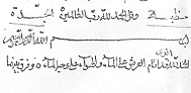
From the Mss. of
Khuba al-Jiddah in the hand of Mullā Ḥusayn Bushrū'ī (d. 1849 CE) translated below.
[I]
[1-9]
[0]
بسم الله الرحمان الرحيم
In the name of
God, the Merciful, the Compassionate.
|
الحمد
لله الذی قد اقام العرش علی الماء
والهواء علی وجه الماء
وفرق بينهما علی
كلمة الاء
ثم قد فتق الاجواء من
عالم العماء بينهما حفظا
علی كلمة الهاء واخرج من
هذه الهواء شجرة السيناء والطفها علی البحر الثناء لمطلع نور
البهاء علی سرآئر الحمراء
ليسمع
كل من مطلع خط البيضاء عن افق السوداء
نداء ورقات الحمراء علی
الشجرة الخضراء الله لا
اله الا الله رب العرش والسماء |
[1] Praised be to God! Who raised up the
Celestial Throne (al-`arsh) upon the watery expanse (al-mā') [2] and the
atmosphere (al-hawā') above the surface (wajh) of the watery expanse (al-mā').
[3] And He separated between these two through the word "Benefits"
(الاء
alā'). [4] Then he divided the
firmaments from the sphere of the theophanic Cloud (`ālam al-`amā'). [5]
Betwixt these twain a division (ḥifẓan) suggestive of the
(Arabic) letter "H" (al-hā' =ﻫ
). And [6] And from this
atmosphere (al-hawā') there emerged the Sinaitic Tree (shajarat al-sīnā'),
its subtle graciousness overshadowing the ocean of laudation (baḥr al-thanā')
nigh the watchtower of the Light of radiant Glory (li-maṭla` nūr al-bahā')
above the crimson Thrones (sarā'ir al-hamrā'). [7] This that all might
hearken through the Dawning-Place of the Snow-white Script (khaṭṭ al-bayḍā)
at the black Horizon (`ufq al-sawdā') [8] unto the Call of the crimson
leaves (waraqāt al-ḥamrā') upon the Green Tree (al-shajarat al-khuḍrā'),
[saying] [9] `God, there is no God except Him, the Lord of the Celestial
Throne (al-`arsh) and of the heavenly realm (al-samā')'.
[II]
[1-8]
|
وقد
اتقن بصنع حكمته خفيات الصنايع فی كل شيیء
لتدلعن السن كل الاشياٌ بنعت
قدرته علی ظهور تجلية فی الشجرة المباركة علی الطور السيناءعلی حرف من
ركن الحمرآء
الله لا اله الا هو
واظهر
بقدرته ذوات الموجودات من بحبوحية
القدم علی معرفة الذات للذات بالمحو
المنقطعة
عن الاسماء والصفات
ليتلجلجنّ
حقايق الافئدة بنعت مشيئة علی كلمة الانشاء الله لا اله الا هو
واحكم
بعد تفوز المقدر علم يم المقدر طمطام التثليث لكثرة
الامواج علی ابحر الصليب ليترهنّ
النصاری الف القائم بين النهرين عن الشبه فی المثلين وعن الشكل فی
الاختين
وليعرفن
عند مطلع ارياح صبح السيناء كثرة الامواج فی الماء
ليسبّحن
الله رب البحر بذلك من شاٌن الامواج من تلك اللجّة الاجاج علی كلمة
البيضاء فی قعر يّم الّسابع من ابحر
الخضراء
الله لا اله الا هو
|
The Divine Theophany and the
Tripartite Reality of the Bāb.
[1] So be assured of that Divine Artistry (ṣana`)
which is expressive of His Wisdom (ḥikmat), the fullness of the Divine
Handiwork evident in all things (kull shay'). [2] This to the end that every
tongue might assuredly acknowledge the purpose of His Power (qudrat)
actualized through the theophanic manifestation (ẓuhūr) of His
Self-revelation (tajiliyyat) within the Blessed Tree upon Mount Sinai (ṭūr
al-sīnā') disclosing thereby but a token of the
Crimson Pillar (rukn al-ḥamrā'), 'God, no God is there save Him'. [3] And He
caused to be made manifest through His Power what is evident in the
essential realities of all existing things (dhawāt al-mawjūdāt) at the
Midmost-Heart of Pre-Existence (min buḥbūḥiyyat al-qidam) according to the
deep gnosis of that Essential Reality (ma`rifat al-dhāt) which is expressive
of the Divine Essence by virtue of the essential detachedness [from the
Divine Essence] of the Divine Names and Attributes (`an al-asmā' wa'l-ṣifāt).
[4] This to the end that the realities of the inmost hearts might diligently
persevere with their coming to realize the intention of the providential
purpose of the Divine Will (ni`at al-mashiyyat) expressed by virtue of the
Logos-Word of creative Genesis, "God, there is no God save Him" (lā ilāha
illā huwa).
[5] And He did subsequently stipulate, on
account of the realization of the foreordained scheme (al-muqaddar), the
knowledge of the Ocean of the Divine Foreordination (al-muqaddar) through
the surging waves of triplicity (ṭamṭām al-tathlīth) expressive of the
multiplicity of the waves upon the oceanic expanse of the crucifix (abḥār
al-ṣalīb). [6] This did cause the Christians to unhesitatingly perceive the
upright letter "A" (alif al-qā'im) positioned betwixt two streams (al-nahrayn)
on account of His [the Bab's] likeness being even as twofold Images (al-mithlayn)
in the form characterized by dual [alphabetical] counterparts (shakl
fī'l-ukhtayn). [7] And this was such that they might assuredly come to
realization respecting the Dawning-Place of the breezes of the Sinaitic Morn
[the Bab] which are expressive of the [truth of the] multiplicity of the
waves in the watery Expanse (al-mā'). [8] Persons would thus assuredly come
to glorify God, the Lord of the cosmic Ocean, despite the issue of the
multiple waves of the brackish Abyss (al-lujjat al-ujāj) which lie beyond
the Snow-white Logos-Word (kalimat al-bayḍā'), situated within the hollow
depth of the seventh Sea (qa`r yamm al-sābi`) which emerges from the Green
Ocean. God, no God is there except Him.
[III]
[1-4]
|
واقضى
بعد حكم القدر يّم القضاء بالحرف البدآء
ليتلئلئن اٌفئدة الممكنات
بالماء المرشحة من هذا البحر المواج الاجّاج
ليطالعن كل ذّرات الخلق عند
تجلی نور الحمراء عدل الله وحكمته
ولتقولنّ
عند تجلی نور البيضاء كلمة الذر من دون الذر الله لا اله الا هو
فسبحان الله الباری البديع والوتر الحی القيوم القديم
|
Renewed creation, the Covenant
and the Eschatological Theophany
[1] Then came to pass, subsequent to the
decree of the divine Destiny (ḥukm al-qadar), the Sea of the Divine
Foreordainment (al-qiḍā') through the "Letter" (locus) of the Creative
Genesis (bi'l-ḥarf al-badā'). [2] This such that the inmost hearts of all
existing things might of a certainty be made to sparkle brilliantly through
the watery Expanse (al-mā') which sprinkles forth from this fiercely
billowing, yet brackish Sea (al-baḥr al-mawwāj al-ujāj). [3] This indeed
that all existing microcosmic entities of the world of creation (kull
dharrāt al-khalq) might rise ascendant nigh the glorious transfiguration of
that crimson Light (`ind tajallī nūr al-ḥamrā') which is expressive of the
Justice of God and His Wisdom. [4] Wherefore shall there assuredly be a
speaking forth through proximity to the glorious transfiguration of the
Snow-white Light; a primordial declaration (kalimat al-dharr) distinct from
that of the microcosmic entities (al-dharr), namely, `God, no God is there
save Him. So glorified be God, the Creator, the Wondrous, the Separate, the
Living, the Self-Subsisting, the Pre-existent.'
[IV]
[1-4]

The
Folly of the Ishrāqī philosophers -
followers
of Shihāb al-Dīn Suhrawardī (d. 587/1191).
|
عما
قد وصفوا حكماء التشريق فی سّر التربيع بعد قضاء المشية فی حكم
التثليث واختها
وظنوا
فی حكم التراب غير ما قدر الله للنار وشبهوا حقايق الصفات علی غير علم
الكتاب وحسبوا ان يحسنوا فی سبيل الله
وجآوا باثم عظيم
وعلی
هذا المنهج الوعر والمسلك المستوعر قد بطلوا حكماء
النار علی حكم القدر فی شاٌن مقدور
واستقروا
علی غير حكم الله فی ارض مستتر وعلموا انهم قد استقاموا فی ظل الشمس
والقمر كلا
وربك
انهم لهم الضالون وانهم لهم المشبهون وانهم المكذبون
|
[1] It was the case that the Ishrāqī sages (ḥukamā'
al-tashrīq) described the depth of the fourfold [world of nature] (al-tarbī`)
subsequent to the Divine Foreordainment (al-qiḍā') of [the authority of] the
Divine Will (al-mashiyya) through the decree of the threefold Reality (ḥukm
al-tathlīth) and its counterpart (= the Bab). [2] They [the Ishrāqī sages]
thus speculated regarding the principle of materiality (al-turāb) which
[they regarded] as something other than what God destined for hellfire (al-nār).
They supposed that the realities of the Divine Attributes (haqā'iq al-ṣifāt)
are other than the knowledge [sanctioned] in the Book (al-kitāb). And they
[further vainly] supposed that they are ones well-situated on the Path of
God and persons who have attained a great restraint. [3] And upon this
rock-strewn [Ishrāqī] path and tortuous road these [Ishrāqī] sages (ḥukamā')
went astray, being ones fit for hellfire according to the dictates of Fate (ḥukm
al-qadr) and according to an extent predestined.
[4] So they [the Ishrāqī philosophers]
ultimately attained a position contrary to the decree of God (ḥukm Allāh) in
the realm of things veiled away (arḍ al-mustatir). They taught that they
stood upright in the shadow of the Sun and the Moon. Nay, on the contrary!
for thy Lord testifies to the fact that they are indeed wayward and are to
be numbered among such dubious sophists (al-mushubbahūn) as are reckoned
among the untruthful.
[V]
[1-10]
Sound theology
and waywardness of the
followers of Mullā Ṣadra
(d.1050/1640).
|
قل
ابدع الله رب الخلق فی كل شيیء
حد التشبيه منعت التقطيع لئلا يفتری نفس فی تلقاء وجه الله بالكلمة
الوصل
وقد
عرفه بالعدل مواقع الامر فی مقام الفضل
ولقد عموا عين الصدرين فی
معرفة الرب ونطقوا بالواح ما
نزل
فی القرآن وما يبدع من ايدی
اهل الحق واكتسبوا بما قد
كتبوا فی الواحهم مثل المشاعر واشبهها فی دقايق
زكوان اجرد خشن
فسبحان
الله كانهم لا يقراواحكم القرآن ولن يشعروا باٌحكام اهل التبيان
وحكموا فی معرفة ربهم كحكم
الماء فی الاشجار فتعالی الله
عما افتری المحسن فی كلا مه لن يحيط بعلم الله من بعض حرف
فقد
ضرب بالمثل فی الذات كنفی الابهی فی الامواج والماء عند تعاين الثلج فی
الاشباه
ان
الله وملائكته بريئون من هولاء
الحكماء فقد اشتبهت علی انفسهم آيات الخلق بمعرفة الذات
واحتملوا الائمه بما قد حكموا علی غير حكم الله فی القرآن |
[1] Say: God, the Lord of Creation is the
supreme Creator (abda`) of everything (fī kull shay'), One beyond
anthropomorphism (ḥadd al-tashbiyya) and utterly abstracted from
fragmentation (al-taqṭī`), perchance some soul might calumniate in the
Presence of the Countenance of God (tilqa' wajh Allāh) through an
[inappropriate] expression of union [with Him] (al-waṣl). [2] He hath ever
been One known on account of [His] Justice (bi'l-`adl) as is evident in the
loci of the Cause (mawāqi` al-amr) on the level of the Divine Bounty (al-faḍl).
[3] This although the sight of the Ṣadriyyīn [followers of Mullā Ṣadrā' d.
1050/1640] hath been blinded to the gnosis of the Lord (ma`rifat al-rabb).
[4] They scattered abroad the scriptural Tablets (al-alwāḥ) that were sent
down in the Qur'ān and failed to progress with the assistance of the
custodians of the Truth (ahl al-ḥaqq). [5] They [acquired naught but] what
they had themselves written in their tablets (alwāḥ) such as the [Kitāb al-]
Mashā`ir ("[Book of] Metaphysical Penetrations") and its like relating to
the intricacies of speculative knowing (daqā'iq zakwān) [?], issues complex
(ajrad) and impenetrable (khushn).
[6] Yet glorified be God! It is as if they
fail to register the [clear] guidance of the Qur'ān (ḥukm al-Qur'ān) and
proved unable to comprehend the dictates of the custodians of clear
exposition (ahl al-tibyān). [7] They make judgments respecting the gnosis (ma`rifat)
of their Lord that are even as a judgment regarding the [existence of] water
in trees (al-mā' fi'l-ashjār)! [8] So exalted be God above what is a calumny
respecting the Beneficent Power of His Word (al-muḥsin fī kalāmihi) and with
respect to His not encompassing every minutiae within the knowledge of God!
[9] They even strike a similitude about the Divine Essence (al-dhāt) [to the
effect that] there is a negation of the All-Glorious [Godhead] (ka-nafy al-abhā)
within the "waves" (al-amwāj) [of the ocean of existence] or [an analogy] of
"water" (al-mā') subsumed nigh the alluring effect of "ice" (ta`āyn al-thalj)
on account of their similarity. [10] God and the angels observe these
philosophers (al-ḥukamā') who have anthropomorphized themselves as signs of
the Creator (āyāt al-khalq) in the gnosis of the Divine Essence (bi-ma`rifat
al-dhāt). And they [furthermore] subsume within themselves the [authority
of] the Imams for they make decrees contrary to the decree of God in the
Qur'ān.
[VI]
[1-18]
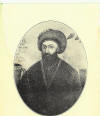
The Twin exponents of Shī`ī Islamic wisdom,
Shaykh Aḥmad al-Aḥsā’ī (d. 1241/1826) and Sayyid Kāẓim Rashtī (d.
1259/1843).
[1-12]
|
ولقد اتبعواهم
باحسان اكثر العلماء من حيث لا يعلمون حكم من اهل البيان
حتی قد طلع اليوم بالضياء
واضاء الشمس والقمر بحكم الانشاء قد
بينا لكم آل الله فی معرفة الابداع علی سد الانقطاع قطع الامتناع
و
اكتسبا علی هيكل معرفتها بما قد شاء الله في حقهما
و قد كتبنا بايديهما من حكم
القرآن الواح اللوح فی الفوايد و ا للوامع اثاره
لتستقر الافئدة من فوايد
آياته واضاء الحقائق من لوامع اثاره
ولقد
اتبعوهما بحكم القدر اهل مستتر ورجعوا الی فطرة الله من حكم القرآن فی
شاٌن مقدر فكل قد اكتسبوا
نصيبهم من حكم الكتاب واحتمل
الاخرون بالافترا بهما علی غير احاطة علم الواضع كمثل الذين
قد افتروا علی اولياء الله
بغير علم وولا كتاب مبين حتی
رجع الكاف فی محل الامر الی منطقة حكمه ودور الادوار ليوم الله فی شاٌن
بديع والانوار علی سر منيع قد
طلع الانوار من علم العماء وانطق شجرة السيناء فی بحر الثناء واظهر
كلمة التسبيح فی ارض الحمراء
|
[1]
Since they were unaware of the decree issued by the people of clear
exposition (ahl al-bayān) many of the [Shi`i] `ulamā' (divines) imitated
them [the Mullā Ṣadrā philosophers] in their pursuit of good deeds (bi'l-iḥsān).
[2] This until the Day dawned forth in splendour (ḍiyā') and the "sun" and
the "moon" shed illumination on account of the verdict of recreation (ḥukm
al-inshā'). [3] [It was then that] These twain [= Shaykh Aḥmad and Sayyid
Kāẓim] expounded for thee [the truth respecting] the [Shī`ī] family of God (Āl
Allāh) established in the gnosis of the regeneration (ma`rifat al-ibdā`) and
discoursing at the very pinnacle of abstraction (sadd al-inqiṭā`), [in ways]
all but beyond impenetrability (qaṭa` al-imtinā`)!
[4] And these twain [Shaykh Aḥmad and Sayyid
Kāẓim] acquired the Persona of their [the Shī`ī family of God's] gnosis (haykal
al-ma`rifatihā) as accords with whatsoever God had willed respecting their
twofold Reality (ḥaqq). [5] And these twain [Shaykh Aḥmad and Sayyid Kāẓim]
did write with their two hands something of the import of the Qur'ān [in the
form of] scriptural Tablets (alwāḥ), such as the Tablet setting forth the
Fawā’id (“Observations”) (lawḥ fi'l-fawā'id) and the Lawāmi` ("Brilliances")
among their writings (lawāmi` āthārihi). [6] This such that the inmost
hearts of the people might be established through the deep observations
implicit in their verses (min fawā'id al-āyātihi) and the radiance of the
realities of the brilliances implicit in their writings (min lawā'mi`
āthārihi).
[7] And persons did follow these
two in line with the dictates of destiny (ḥukm al-qadr), the people of
innermost mystery (ahl al-mustansir) who thereby returned unto their
pristine, God-bestowed human condition (fiṭrat Allah) as stipulated in the
Qur'ān, on the level of that which is foreordained (fī sha`n al-muqaddar).
[8] So all such persons acquired for themselves their [foreordained] destiny
(naṣīb) as accords with the decree implicit in the Book.
[9] And these latter-day persons (al-ākhirūn)
did bear the calumny (bi'l-iftirā') surrounding these twain [Shaykh Aḥmad +
Sayyid Kāẓim] as accords with that destiny which was other than something
encompassed by the knowledge that concerns what is preordained (`ilm al-wāḍi`).
[10] This was after the likeness of such as did slacken, bereft of
knowledge, before the chosen ones of God (awliyā' Allāh). [11] They failed
to [pay due attention to] a Manifest Book (kitāb mubīn) such that the letter
"K" in the locus of the [Real] Cause (al-kāf fī maḥall al-amr) returned unto
the sphere of His Decree (minṭaqat ḥukm) and the Cycle of Cycles (dawr al-adwār)
[was initiated] with the onset of the Day of God (li-yawm Allāh) in a manner
revolutionary (fī sha`n badī`).
[12] This when the Lights (al-anwār) did
configure according to a transcendent mystery (sirr manī`) for these Lights
(al-anwār) dawned forth through the knowledge of the realm of the Divine
Cloud (min `ilm al-`amā'). Then [also] did the Sinatic Tree (shajarat al-sīnā')
cry out in the Ocean of Laudation (baḥr al-thanā') when there was made
manifest the Word of Glorification (kalimat al-tasbīḥ) in the Crimson Land (arḍ
al-ḥamrā').
[13-18]
|
الا
يا اٌهل الفوٌاد قد طلع شجرة الصانع والمستسرات الطلايع والشمس اللامع
والاسم القاطع هذا النور الذی قد حمل حرف الهاء
فی ارض الفؤاد وخرج من حد
الواو فی قلم المداد ذكر الله الذی قد نزل اليه الايات بلسان الله
الناطق فی الدلالات ليعلم كل
الناس حد مشربهم وحكم هذا الماء البيضاء وليحمل كل ذی شر كلمة السفلی
علی ما قدر فی لوح او ادنی
كذلك
قد نزل الله آيات الطور من مستقر الاعلی ليعلم كل بامره
ومفارع وكل سامع وقالع كلمات الفردوس فی لوح القدوس والايات النازلة من
مكفهرات العلماء فی ظل الفردوس
ليحيی كل الانوار بماء
الحيوان من هذا الطمطام المواج ماء
الكافور بحكم الكتاب ولينكشف
كل الاسرار بماء الحمراء من هذا البحر البيضآء
ماء الطهور لحكم الله من كلمة الكتاب |
[13] Wherefore, O people of the inmost heart (ahl al-fū`ād), did the Tree of
Creative Potency (shajarat al-ṣāni`) dawn forth with the ascendant, deeply
secreted mysteries (al-mustansirrāt ṭalāyi`) along with the Brilliant Sun
and the Irrefutable Name (al-ism al-qāṭi`), this Light (al-nūr) which
beareth the letter "H" (ḥarf al-hā') in the land of the inmost heart (arḍ
al-fū'ād). [14] There emerged from the boundary of the letter
و
"w" (ḥadd al-wāw) through
the Pen flowing with Ink (qalam al-midād), the Dhikr-Allāh ("Remembrance of
God") who was in receipt of revealed verses in the language of God (lisān
Allāh) [= Arabic], one crying out with Proofs to the end that all humanity
might know the locale of their [destined] drinking-place (ḥadd al-mashrab)
and the decree respecting this Snow-white watery Expanse (al-mā' al-bayḍā').
[15] And this to the end that all tainted with the sin of the most depraved
utterance (kalimat al-suflā) might bear whatsoever hath been decreed [for
them] in a Tablet which expresses something even more contemptible (lawḥ aw
adnā').
[16] Thus was it that God did send down
the verses of the Sinaitic Mount (āyāt al-ṭūr) from the Most Transcendent
Abode (mustaqarr al-a`lā) to the end that all might be cognizant of His
Cause (al-amr) and expound its branches (mufāri`), that all might hear and
appreciate the words of Paradise (kalimat al-quds) in the Tablet of
Holiness (lawḥ al-quds) and the verses which descend from [the realm of] the
dusky zones of the Divine Cloud (mukfahirrāt al-`amā') in the very shadow of
Paradise.
[17] This that all the Luminaries (al-anwār)
might bestow life through the Water of Life (mā' al-ḥayawān) which cometh
from the crashing crests of the surging waves that are of the watery expanse
of Camphor (mā’ al-kāfūr) as accords with the decree of the Book. [18] This
took place that He might unveil all mysteries through the Crimson watery
Expanse (mā' al-ḥamrā') from this Snow-White Ocean (al-baḥr al-bayḍā'), the
watery Expanse that is purified on account of the Decree of God through the
Word of the Book.
[VII]
[1-15]
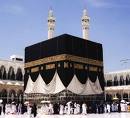
The Pilgrimage Journey and the Islamic Pilgrimage
of the Bāb
[1-4]
|
فلله الحمد والعظمة والثناء
ولا يحيط بعلمه الا من شاء انه لا
اله الا هو الله لا اله الا
هو الحی المتعال الله لا اله
الا هو الغنی المنان قد اسری
كلمة عبده من ارض مولده فی السنة الستين
بعد المائتين والالف عن الهجرة المقدسة يوم السادس من العشر الثالث من
الشهر المقدم علی شهر الله الحرام الذی نزل فيه القرآن وابلغه الی
جزيرة البحر فی يوم السادس من الشهر الحرام
شهر رمضان الذی
قد قضی القدر فيها علی حكم الله فی ليلة منها علی خير من الف شهر من
دونها
|
[1] So unto God be the
Praise, the Grandeur and the Laudation for there are none that encompass His
knowledge save whomsoever He wills. He, verily, no God is there except Him.
[2] God, no God is there except Him, the Living, the Elevated. [3] God, no
God is there except Him, the Independent, the Bountiful.
[4] The Word of His servant [= the Bāb] was
transported (cf. Q. 17:1) from the land of His birth (Shiraz), in the year
1260 of the sacred Ḥijra reckoning, on the 6th day of the third decad (= the
26th) of the month preceding the month which is the sacred month of God
(al-shahr Allāh al-ḥarām) in which He sent down the Qur'ān [= 26th Sha`bān
which precedes the month of Ramaḍān = September 10th 1844] for thereon He
enabled him (the Bāb) to attain unto the shore of the Ocean (jazīrat al-baḥr)
(= Bushire) on the day which is the sixth of the sacred month, the month of
Ramaḍān (= 19th September 1844) on which He instituted that Destiny (al-qadr)
as accords with the Decree of God (ḥukm Allāh) enacted on that Night (layla)
which is better than 1000 months apart therefrom (cf. the laylat al-qadr
in Qur'ān 97:1ff).
[5-8]
|
ولقد ارفعه بجوده علی فلك
المسخر فوق الماء يوم التاسع من عشر الثانی من الشهر الحرام شهر الله
الذی قد فرض فيه الصيام وابلغه
الی ام القری
بيت الله الحرام فی يوم الاول من الشهر الحرام شهر الله الذی قد قضی
فيه حكم الحج لاهل الاسلام وتم فيه
السعی بين الصفا والمروة وما قدر فی الطواف والقيام
وقد قضی فيه حكم مناسك العمرة
والحج فی يوم الثالث من العشر الثانی
من هذا الشهر المقدم شهر الله الحرام
ثم
قد اصعده الی بلد حبيبه محمد رسول الله صلی الله عليه واله وخاتم
النبين من مضي هذا اليوم الی يوم السابع من سنة احدي
وستين بعد المائتين والالف من الهجرة المقدسة من الشهر الحرام شهر
الله الذی قد قتل فيه التسبيح والتهليل بقتل كلمة التكبير والتمجيد ابی
عبد الله الحسين عليه السلام |
[5] So He indeed raised him [= the Bāb] up through His Bounty upon an
oppressive ship (fulk al-musakhir) [sailing] upon the water on the day which
was the ninth day of the second decad (= 19th ) of the sacred
month, the month of God on which He instituted Fasting (al-ṣiyām) (= the
19th of Ramaḍān = October 2nd 1844). [6] And he (the Bāb) attained unto
the Mother of Cities [= Mecca] (umm al-qurā), the sacred House of God (bayt
Allāh al-ḥarām) on the first day of the sacred month of the month of God (=
1st of Dhu'l-Ḥijjah = December 12th 1844) which is the month wherein He
instituted the decree of Pilgrimage (al-ḥajj) for the people of Islam and
completed it with hastening to and fro between Ṣafā and Marwa and what he
decreed regarding circumambulation and rising up. [7] And He also decreed
[the completion of the events with] the ceremonial sacrifices (manāsik)
consonant with the `Umra (the 'Sacred Visitation') and the Ḥajj (=
Pilgrimage) on the third day of the second decad (= the 13th) of the
selfsame sacred month which precedes the month of God (= the 13th of
Dhu'l-Ḥijjah = December 24th 1844).
[8] Then he enabled him to advance
unto the land of His Beloved One (ḥabīb) [= Medina], Muhammad, the Messenger
of God (rasūl Allāh), may the blessings of God be upon him and his family,
the seal of the prophets (khātam al-nabiyyīn), from the onset of this day
which is the seventh day of the year 1261 of the sacred Ḥijra calendar, on
the sacred month [ = 7th of Muḥarram = January 16th 1845], the month of God
whereon was killed [the one who embodied] the Glorification of God (tasbīḥ=
subḥān-Allāh' , "Glorifed be God") and the Hallowing Testimony (taḥlīl = lā
ilāh ilā Allāh, "there is no God but God"), through the killing of [the
embodiment of] the very Word of the Magnification of God (kalimat al-takbīr
= Allāh akbar, "God is greatest") and of the Laudation of God (tamḥīd = al-ḥamd
li-llāh, "Praise be God"), namely, the Forefather (`Abī) of the servant of
God (`Abd-Allāh) [ = the Bab], the [third Imam]) Ḥusayn (martyred `Āshūrā'
= the 10th Muḥarram 61/680), upon him be peace!
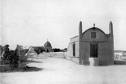
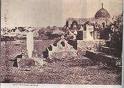
The
tomb of Eve in Jeddah
[9-15]
|
فلله
القدر والكبرياء بما قد احفظه فی حرم القدس سبعة وعشرين يوما من
الشهرين العظام وله المجد
والعظمة فی اول الصعود فی
اليوم الرابع فی الشهر الاخير بعد شهر الله المحرام
من لدی
اوليائه الی كل الخلق بالبلاغ
كلمة القطع بعد الفجر من معرفة آل الله سلام الله عليهم فی منتهی
المنع وله الجلاال والجمال
من
يوم الخروج الی يوم الوقوف بارض جدة صلوات الله علی مساكنها من غير وصف
ولا عدة بما قد قضی اثنی عشر يوما فی السبيل
كمثل حكم النزول من حرم
الجليل الی عين السلسبيل وقد
قضی حكم الكتاب بالوقوف فی ارض حواء ثلثة يوما معدودا
فسبحان
الله والحمد لله الذی
قد اذن لعبده يوم الرابع من العشر الثالث
من شهر الذی
قد طلع بعد شهر الحرام للركوب علی الفلك المسخر فوق الماء سفينة التی
قد ركبت فيها
فی يوم الصعود الی بيت الله الحرام |
[9] So unto God belongs the Destiny and
the Grandeur for He protected him (the Bāb) in the sacred sanctuary
(Mecca-Medina region) for twenty-seven days between the two stupendous
months (= from 7th of Muḥarram until the 4th Ṣafar = 27 days). [10]
And unto Him be the Glory and the Grandeur at the onset of the departure
(from Medina) on the fourth day of the last month after the sacred month of
God (= Safar after Muḥarram : 4th Safar = 12th of February 1845) from
amongst His chosen ones (awliyā') [in Mecca-Medina] [proceeding] unto the
rest of the created realm (kull al-khalq) [11] through the
fulfillment of the stipulation of the sacrificial killing after dawn time (kalimat
al-qaṭ` ba`d al-fajr), in line with the knowledge of the family of God (ma`rifat
Āl Allāh) (may the peace of God be upon them), with the completion [of
pilgrimage through] the hindering [of Satan] (muhtahā al-man`). And to Him
[God] belongeth the Glory and the Beauty.
A few Pictures of Old Jeddah

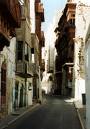
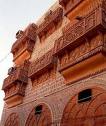
[12] From the day of the departure
(from Mecca - Medina) until the day of the arrival in the land of Jeddah,
may the blessings of God be upon its indescribable and innumerable
inhabitants, there transpired twelve days on the road (4th Safar + 12 =
16th Ṣafar = February 24th). [13] This after the manner of the decree
of departure (al-nuzūl) from the Glorious Sanctuary [Mecca] (ḥaram al-jalīl)
unto the Fount of Salsabīl (`ayn al-salsabīl) [= Zamzam?]. [14] Then
there came about the decree of the Book (ḥukm al-kitāb) regarding halting in
the land of Eve (bi'l-wuqūf fī arḍ al-ḥawā') (= Jeddah) for a period
amounting to three days (16th + 3 = 19th Safar = 27th February 1845).
[15] So glorified be God and Praised be
to God Who gave permission unto His servant on the fourth day of the
third decad (= the 24th) of the month
which follows the sacred month (= 24th of Safar after Muharram = March 4th
1845) for the embarkation upon the ship of oppression (al-fulk al-musakhir),
upon the water, upon an ark (safīnat) on which he commenced the journey on
the day of his departure unto the sacred house of God [in Shiraz ] (bayt
Allāh al-ḥarām).
[VIII]
[1-23]
Divine
Foreordainment and the Episode of the Theft
[1-7]
|
فلله
الحمد شعشعانيا متلامعا متقدسا بتقديس الله وفضله علی كل الخلق
اجمعين وله الحمد والكبرياء
كما هو اهله ثنا يفضل علی كل شيیء
كفضل الله لنفسه انه لا اله الا هو
ليس كمثله شيیء
هو العلی الكبير
فسبحان
الله الاحد القيوم الفرد المعبود الذی قد انطق ذكره يوم الركوب بحمد
نفسه وذكر سبيل صعوده الی زيارة بيته ومظاهر قدرته محمد واله معدن
العظمة فی منتهی امره وفضله ليعلم
كل نفس بعلم ايام صعوده حكم القدر وسرها
وليخرج كل ذی
روح من ايام سيره حكم العرش والكرسی وسير الافلاك فی ملاء
الاسماء والصفات حتی ليدخل الكل بيت الله الحرام بالايات العزاٌ
النازلة علی تلك الالواح البيضاء وليسجدن
فی
الْمَسْجِدَ
كَمَا
قد فعلوا آول مرة
وَلِيُتَبِّرُواْ مَا عَلَوْاْ
تَتْبِيرًا
|
[1] So unto God be that praise which is
scintillating (sha`sha`aniyya an), glittering (mutalāma` an)
and sanctifying (mutaqaddas an) by virtue of the very sanctity of
God Himself (bi-taqdīs Allāh) and of His Bounty which passeth beyond all
created things. [2] And unto Him be the Praise and the Grandeur like
that lauded by His people, a praise which giveth bounty unto all things like
unto the Bounty of God (faḍl Allāh) vouchsafed unto His Own Logos-Self (li-nafsihi).
He, verily, no God is there except Him. There is nothing like unto Him for
He is One Elevated and Mighty.
[3] So glorified be God, the One,
the Self-Subsisting, the Unique, the One Served, Who cried out through His
Remembrance on the day of the embarkation marked by a laudation of His
Logos-Self and a remembrance of the pathway of his journey in visitation
unto His House (ziyārat baytihi) and unto the manifestations of His Power,
Muhammad and his family, [who constitute] the Treasury of the Divine
Grandeur (ma`dan al-`aẓimat) a quintessence of His Cause (muntahā amrihi)
and of His Bounty. [4] This for the instruction of every soul towards
an awareness of the days of his journey as accords with the decree of
foreordained Destiny (ḥukm al-qadr) and its mystery. [5] This in
order that every possessor of spirit [may be aware that] the days of his
journey are consonant with the decree of the divine Throne and of the
celestial Chair (ḥukm al-`arsh wa kursī), as well as the motion of the
spheres (al-aflāk) within the concourse of the divine Names and Attributes.
[6] This such that all might enter the sacred House of God (bayt
Allāh al-ḥarām) through the mighty verses revealed within these Snow-white
scriptural Tablets (al-alwāḥ al-bayḍā'), [7] that they might
assuredly fall prostrate in the mosque just as they did aforetime and
thereby wreak an utter destruction (li-yutabbirū) upon that which is
upstanding" (mā `alaw tatbīr an) (see Qur'ān 17:7b).
[8-13]
|
فسبحان
الذی قد قضی فی سبيل سيره ما قد قضی لكل الابواب من قبل
ورای
فی سبيل الله كل الا ذی من اهل الشك والشرك تلك سنة الله
قد خلت من قبل وما اجد لسنة
الله
تبديلا فی شاٌن من بعض الشيیء
تحويلا
ولن
تجدوا لحكم الله فی بعض من الحرف تبديلا حتی قد سرق السارق فی ارض
الحرمين
فی منزل كل ما كتب الله فی السبيل له
ليلة الاولی
من
السنة
الاول احدی
وستين بعد الماٌتين والالف
من الشهر الثانی بعد شهر الحج وان ذلك حكم من سنة الاولين
وما اجد لشان
الله فی بعض من
الحكم تحويلا
|
[8] So glorified be He Who made decree
respecting the Path of his [pilgrimage] journey just as He had decreed for
all of the Gates (al-abwāb) of the past. [9] And he saw in the Path
of God all of the suffering caused by the people of infidelity and blasphemy
for such is the practice of God. [10] Relative to the past I did not
find any change in the practice of God [see Qur'ān 48:23] nor any
modification respecting the condition of anything.
[11] And there was not found any change
relative to the decree of God even respecting a single letter until there
occurred the theft of the thief in the land of the two shrines (al-ḥaramayn)
(the region of Mecca and Medina) at the [third] halting place (fī manzal al-thālith)]
[thus removing] all that God wrote along the Path. [12] This [theft]
took place on the first night of [the second decad] (= the 11th)
in [the year] 1261 (AH)
of the second month after the month of the Ḥajj (pilgrimage =
Dhū'l-Ḥijja, thus the 11th of Ṣafar [1261 AH] = February 19th 1845) for such
was [in accordance with] the decree issued from primordial times (sunnat al-awwalīn).
[13] And I did not find any change relative to any aspect of the way
of God (li-sha`n Allāh) regarding anything decreed by God.
[14-23]
|
الا
يا ايها الملاء
ان اعملوا حكم الايات فيما اخذ السارق من غير علم مبين
وان منها آيات من باطن السطر
التی قد سطرت من يد الذكر بالمداد الحمراء
علی احدی
عشر ورقات بيضاء مذهبة بالماء
الذهب وخط حمراء
حولها علم اثنين جزء
من مستر السر المجلل بالسر الاكبر فی حكم باطن القرآن
من اوله الذی لن يمسسه احد من
قبل ولن يحيطه بعلمه احد من بعد ولما
نزل فی لوح من السماء آيات مستسرات وبينات محكمات من الله رب السموات
والعرش علی العالمين جميعا
الا
من وجد حرفا منها لم يحل له قرائة حكمها الا باذن من نزل اليه
وانها فی حكم
القرآن لمن خزائن الكبری
ما كذب الفؤاد ما رای افتما
رونه علی ما يری
ولقد نزل فيها حكم ربك فی جنة
الماٌوی
الی ما قدر فی عرش او ارنی ومن
كذب باياتنا الكبری
نحكم له يوم
القيامة بالنار الجحيم من شدائدنا السفلی
|
[14] This although, O people of the Concourse (al-mala')!, Fate
itself acted in accordance with the decree about the [stolen] verses (al-āyāt)
for the thief stole outside of any clear knowledge (`ilm mubīn) [of the
divine plan]. [15] Among them [the stolen writings] were verses
expressive of the inner dimension of the foundational alphabetical script (bāṭin
al-saṭr) which was scribed by the hand of the Remembrance (yad al-dhikr) in
crimson ink upon eleven snow-white leaves. [16] They were guilded
with liquid gold and inscribed round about in crimson script expressive of
dual dimensions of the secreted mystery which is veiled up within the
greatest mystery in accordance with the inner dimension of the Qur'ān (bāṭin
al-Qur`ān). [17] From the outset [this material was of such
sacredness that] no one aforetime had even touched it (cf. Qur'ān 56:79
etc), nor shall anyone in later times ever encompass its knowledge. [18]
Such was revealed in a scriptural Tablet from heaven containing deeply
secreted verses (āyāt mustasirrāt) and established expositions from God, the
Lord of the heavens and of the divine Throne, over all the worlds.
[19] Wherefore indeed is it that whoso
finds a portion thereof shall fail to unravel even a letter thereof in
reciting its wisdom, save, that is, with the permission of He Who revealed
it unto him. [20] Such is in accordance with the stipulation of the
Qur'ān for they are the Supreme Treasuries (khazā'in al-kubrā) in that "the
inmost heart (al-fū'ād) lieth not about what it [he] sees" (Qur'ān 53:11).
[21] So do you suppose that they see this after the manner of his
[visionary] seeing? [22] For there was indeed revealed therein [the
inmost heart] the wisdom of thy Lord in the "Garden of the Abode" (jannat
al-ma'wā) (Qur'an 53:15) pertaining to that which was decreed in the divine
Throne (`arsh) or [as a result of] Our [visionary] insight! [23] And
whoso lieth about Our Most elevated verses, We shall decree for him [on] the
Day of Resurrection (yawm al-qiyāma) [a place] within Our nethermost,
blazing hellfire of Jaḥīm.
[IX]
[1-25]

The
Revealed Writings of the Bāb and the Episode of the Theft
[1-5]
|
ان اتقوا الله يااٌهل
الوجدان وانها قد نزل فی حكم رجال البيان
وكان الله عن العالمين غنيا
وانه لكتاب قد فصلت فی
حكم باطن اللوح تنزيل من عزيز حكيم
ثم
كتاب قد فصلت علی شاٌن من آية الكرسی بحكم ربك فی مائين سورة التی كل
واحدة منها قد احكمت علی اثنی عشر آية من آيات باطن القرآن
هدی
ورحمة من لدنا لقوم يشهدون وانه لتنزيل من لدنا علی حكيم
|
[1] Then fear ye God, O people of
ecstacy (ahl al-wijdān)! for these [revelations] were sent down in [the
manner of the disclosures] of the custodians of the Exposition (rijāl al-bayān)
[twelver Imams?]. [2] And God is not restrained by the ways of all
the worlds. [3] This is indeed the Book which hath differentiated in
line with the decree of the inner dimension of the Tablet [of Destiny] (ḥukm
bāṭin al-lawḥ) as revealed from One Mighty and Wise.
[4] And there was furthermore, a
[stolen] Book [of the Bāb] which was distinguished after the fashion of the
"Throne Verse" (āyat al-kursī) (= Qur'an 2:255) in accordance with the
decree of thy Lord, into two hundred Sūrahs, every one of which hath been
allocated twelve verses among the verses of the inner dimension of the
Qur'ān. [5] It is a guidance and a mercy from before Us unto the
people who bear witness for this is something revealed on Our part in line
with Wisdom.
[6-7]
|
ثم كتاب علی اربع مائة آية
من حكم ربك فی اربعين سورة محكمة علی حكم ما نزل الروح علی قلب الحميری
آيات مستسرات لم تر عين بمثل حرف منها قد نزلت من سرائرسر المقنع
ثم قد فصلت فی سر المجلل
بالسطر الاِول المستسر بالحل الثالث احكام من طلسم الرابع تنزيل من
لدنا لقوم يسمعون |
[6]
And there was, furthermore, a [stolen] Book [of the Bāb] in four hundred
verses, as accords with the decree of thy Lord, within forty
well-established Sūrahs (sūrat muḥkamāt), and [commenting upon] the
[poetical] data which the Spirit (al-rūḥ) sent down upon the heart of
[Sayyid] al-Ḥimyarī (qalb al-ḥimyarī) (d. c. 173/ 789) [containing] deeply
secreted, incomparable verses the like of even a letter of which no eye
shall ever seen for it was revealed from the realms of the veiled secret (sarā'ir
sirr al-muqanna`). [7] Thus hath it been characterized by mystery
sublime (sirr al-mujallil) [inscribed] in the primordial script (bi'l-saṭr
al-awwāl), in the threefold state (bi'l-ḥall al-thālith) as regulated
through the fourfold Talisman (ṭilasim al-rābi`) and revealed through Us
for such people as do hearken.
[8-13]
|
ثم
كتاب فی المشكوة عن المصباح المصباح من المصباح فی المصباح الزجاجة
الزجاجة ثم الزجاجة فی الزجاجة ابواب علی ما تشرق من صبح الازل قد
احكمت فی كل مشرق منها ورقات
مضيئة مورقة من الشجرة المباركة التی لا شرقية ولا غربية آيات فی
اسرار اللاهوت وبينات من كتاب ربك فی احكام الملك والجبروت
الواح مقدسة مضيئة من شجرة
السيناءعلی طور ما نزل فی حكم البهاء الله لا اله الا
هو كتاب من لدنا قوی
حفيظ وان ما نزل فيه احكام باطن القرآن هدی
وبشری
لقوم يوٌمنون فمن اقتبس من
نور حكم ما نزل فيها فاوٌلئك هم المهتدون |
[8] And there was, furthermore, a
[stolen] Book [of the Bāb] concerning the Niche (al-mishkat) aside from the
Lamp (al-miṣbāḥ), yet both from the Lamp (al-miṣbāḥ) which is the Lamp (al-miṣbāḥ)
and in the Lamp (al-miṣbāḥ) of the Glass (al-zujāja) of the Glass (al-zujāja)
then [again] the Glass (al-zujāja) within the Glass (al-zujāja) which are
the [four] Gates (al-abwāb) above that which shines forth from the Dawn of
Eternity (subḥ al-azal). [9] At every orient-dawn (al-mashriq) there
were indeed established therefrom radiant leaves (waraqāt) ignited through
the Blessed Tree (shajarat al-mubāraka) neither Eastern nor Western, but
with verses (āyāt) expressive of the mysteries of the Divine Realm (asrār
al-lāhūt) and expressive of the clear expositions of the Book of thy Lord
about the dictates of the Kingdom (aḥkām al-mulk) and of the Empyrean heaven
(al-jabarūt). [10] They were sacred, radiant scriptural Tablets (alwāḥ)
from the Sinaitic Tree (shajarat al-sīnā') upon the Mount (al-ṭūr) that were
revealed through the decree of radiant Glory (bahā'). God, no God is there
save Him. [11] It was indeed a Book from before Us, Powerful and
Guarded. [12] And that which was sent down therein expressed the
parameters of the inner dimensions of the Qur'ān, a Guidance and a
Glad-tiding for such people as are believers. [13] So whomsoever is
ignited through the Light of the decree which was revealed therein are
certainly among the rightly guided.
[14]
|
ثم
كتاب فی حكم القرآن من الجزو الثانی عن السورة الی ما قد نزل الله الی
آخرها آيات من عند الله وبينات من باطن التاٌويل تنزيل من لدنا لقوم
يتفكرون |
[14] And there was, furthermore, a
[stolen] Book [of the Bāb] about the dictates of the Qur'ān (ḥukm al-Qur'ān),
about the second portion of the Surah [the Sūrat al-Baqara, Qur'an, 2]
covering what God revealed therein unto its conclusion, verses which came
from God including expositions of the inner dimension of the ta`wīl (inner
sense), a revelation on Our part for the people given to contemplation.
[15]
|
ثم
قد فصلت من لدی
علی البحر صحيفة فی الدعاء علی خمسة عشر ابواب من الامر الذی
ما نزل من السن السبعة فی الانشاء بمثله آيات مطهرة عن الاشارات تنزيل
من لدنا لقوم يسجدون |
[15] And there was, furthermore, a
[stolen] Book [of the Bāb] which was set forth though mine own Self whilst
upon the ocean, in a Saḥīfa (Scroll) about Du`ā' (Supplication) in fifteen
sections (abwāb) consonant with the command. It was revealed in seven
dialects of literary style (alsun al-sab`at fi'l-inshā') after the likeness
of purified verses replete with allusions revealed by Us for the people
given to prostration.
[16-17]
|
ثم
صحيفة فی سبيل الحج وحكم من اٌراد حرم آل الله بالعدل علی شاٌن الذی
لم يخطر بقلب بشر من قبل ولم ينزل من يدی
عبد من بعد ابواب محكمة اربعة
عشرا كل آيات بينات من عند الله لقوم يتفكرون |
[16] Then, furthermore, was a [stolen]
Saḥīfa (Scroll) [of the Bāb] written on the Path of the Ḥajj (Pilgrimage]
something decreed by he who intended [to visit] the family of the Sanctuary
of God (ḥaram Allah) with Justice (`adl) according to the mode which has not
been encompassed by the heart of any human being aforetime nor sent down
through the instrumentality of a servant (`abd) [of God]. [17] It was
in fourteen assured sections all containing expository verses from God for
the people of contemplation.
[18-19]
|
ثم
من خطب الغراٌ سبعة عشر الناطقة من
امضا القضاء فی الطور السيناء الله لا اله الا هو
التی لم ينطق بمثل حرف منها
احد من اعراب العربا ولا نفس من اشرف الفصحا |
[18] Then, furthermore, were [stolen]
seventeen mighty sermons (khuṭab) cried out from the hallmark of the
judgment assured within Mount Sinai (al-ṭūr al-sīnā'). God, no God is there
except Him. [19] They were delivered such that nobody was capable of
producing the likeness of but a letter thereof even among the pure-blooded
Arabs (a`rāb al-`urabā'), or, indeed, any soul among the most noble of
eloquent ones (al-fuṣaḥā').
[20]
|
ثم
من كتب محكمة اثنی عشر علی حكم آيات القرآن
التی قد نزلت بالحق علی علماٌ
الاعجمين والعربين آيات بينات من عند الله لقوم يعقلون |
[20] Then, furthermore, among the
[stolen materials] were assured letters (kitāb muḥkamat) twelve [of them]
after the manner of the verses of the Qur'ān. [21] It was, in truth,
sent down unto the Persian and `Arab ulamā' (`ulamā' al-a`jamīn wa'l-`arabīn),
verses of clear exposition from God unto the people given to intellectual
activity.
[21]
|
فسبحان
الذی قد عرف حق آياته ويعلم قدر ما نزل الی بابه
فورب البيت الذی لا اله الا
هو ولم يعدل حرف منها شيیء فی
السموات ولا فی الارض لانه تنزيل من امام مبين
ولا يعلم حق الايات الا هو
انه حليم حكيم |
[22] Then praise be unto God who is
informed of the truth of His verses and the destiny that was sent down for
His Gate (al-bāb). [23] So by the Lord of the House (rabb al-bayt)
Who, no God is there except Him. [24] There is nothing in either the
heavens or upon the earth that can evaluate [the veracity of] even a letter
thereof for it is a revelation from a Manifest Imam. [25] None can
estimate the truth of these verses except Him for He, verily, is One Gentle
and Wise.
[X]
The Final
Address and Benediction
[1-7]
|
الا
ياايها الملاء
قد
سرق فی ملك العدل ارض حرم الله اشيا
من عند الله لم يعدل شيیء منها خزائن اهل السموات والارض
وكان الله علی ما اقول شهيدا
وكفی بالله ومن قرء حكم القرآن فی هذا
الشلٌن خبيرا واذا شا الله
ربك ليبين اياته بالحق وانه
لا اله الا هو لسميع عليم فسبحان
الله رب السموات والارض عما يصفون وسلام علی المرسلين
والحمد لله رب العالمين |
[1] Wherefore, O thou Concourse! The stealing
of [revealed] materials from God took place within the domain of Justice (mulk
al-`adl), the land of the Sanctuary of God (ḥaram Allāh) [Mecca]. [2] There
was nothing about it in line with justice for it consisted of the treasures
of the inhabitants of the heavens and of the earth. [3] And God is witness
to [the truth of] that which I relate, for God, in this respect, is
sufficient [witness] along with whomsoever recites the decrees of the Qur'ān
in an informed manner. [4] And if God thy Lord should will it He would
assuredly, in very truth, bring His verses to light for He, verily, no God
is there except Him. [5] And He is One Hearing, Knowing. [6] So praised be
unto God, Lord of the heavens and of the earth above that which they
suppose. [7] And peace be upon the Messengers and praised be to God, the
Lord of all the worlds.
______________________________________
Select textual and
exegetical notes
II:3
The mss.
reading is uncertain here (INBMC 91:61,
line 8) where we read
من بحبوية القدم. I
have translated as if this is a slight
spelling error or misreading of
من بحبوحية القدم
“at the Midmost Heart of
Pre-Existence” (min buḥbūḥiyyat al-qidam).
V:5b The
text and translation of
دقايق زكوان
(daqā'iq
zakwān) as “the intricacies of speculative
knowing” are both uncertain. Zakwān appears not to exist! I have translated
it as if it relates to an Arabic root Z-K-N indicative of conjecturing and
knowing etc (cf. Steingass entry,
زكن).
Without other mss. of the Kh-J for comparison
It would be too speculative to read
اكوان
(akwān = “all existence”) instead of
زكوان*
though this would make much better sense.
VII:1-4
read here من
not
ما in
the first line and in verse 4 add the missing (cf. INBA mss. p.66 line 2)
الستين
(=
“sixty”) in the spelling of the year with Ishraq Khavarī, M 2:729; Faydī,
Nuqta, 143 and Afnan AA., 86. The phrase
شهر رمضان
“month of Ramaḍan” in VII: 4b is
most probably a scribal gloss or addition as it does not occur in the Ishraq
Khavari, M: 2:730 or Faydī text (1987 p. 143) though it is present in Afnan,
AA: 86).
VII:7
"... the `Umra (the 'Lesser Pilgrimage') and the Ḥajj (= Pilgrimage) itself
on the third day of the second decad (= the 13th) of the selfsame
sacred month which precedes the month of God (= the 13th of Dhu'l-Ḥijjah =
December 24th 1844)." The Arabic word meaning "second' (=الثانی)
in "second decad"
العشر الثانی
is actually "third" in the mss. behind INBMC 91 (mss. p. 66 line 12). The
undoubtedly correct reading "second decad", however, is found in
Ishraq Khavari, Muhadarat, 730; Faydi, Nuqta, 144 (line 6) and Afnan, AA:
86 .
VII:11
The translation of
منتهی
المنع (mss.
p.67 line 9) as “with the completion [of pilgrimage] through the hindering
[of Satan] (muhtahā al-man`)” makes sense as indicating one of the final (muntahā)
acts of pilgrimage through the `warding off' or `hindering' (man`) of Satan
with the ritual stoning of the three pillars. An alternative reading at this
point of
منتهی
المنی
(muntahā al-minā) meaning “through the
completion [of pilgrimage] at Minā [about 4 miles from Mecca] (muntahā al-minā)”
suggests itself though this has no support in the mss. (or printed text
citations) I have consulted it would make very good sense in the light of
the final pilgrimage rituals (animal sacrifice) associated with Minā which
is visited towards the end of the Muslim pilgrimage. These two
aforementioned readings could easily result from an unpointed Arabic text in
the Bāb’s cursive hand. Worth noting is that Bābī tradition registered in
the Dawn-Breakers of Nabil-i Zarandi / Shoghi Effendi (pp. 132-3, here Minā
is spelled colloquially as Muná) makes specific mention of the Bāb’s
performing Islamic ritual sacrifice at Minā during the latter days of his
pilgrimage (as the Kh-J VII: 11 implies).
VII:15
"So glorified be God and Praised be to God Who gave permission unto His
servant on the fourth day of the third
decad (= the 24th) ... his departure unto the sacred house of God [in
Shiraz ] (bayt Allāh al-ḥarām)." Here in INBMC 91 (p. 68 line 1; as well as
Faydi, Nuqta, 145 and Muhadarat, 731) the phrase
العشر الثالث
("the third
decad") should readعشر
الثانی "the second decad" (as in
Afnan, AA: 86) and has been emended accordingly.
__________________________________